

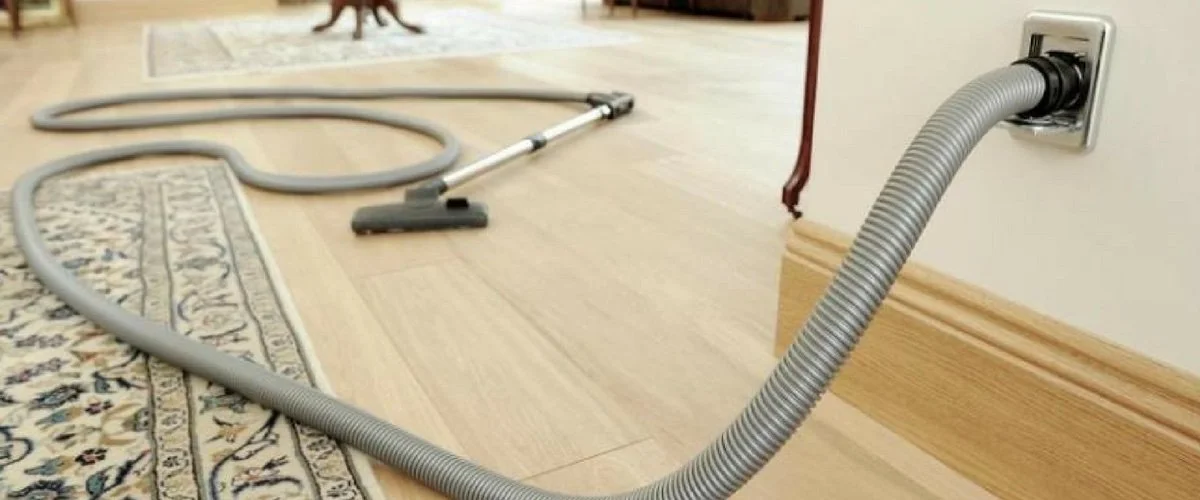
Ducted vacuum systems have revolutionized the way we approach home cleaning, providing a convenient and efficient alternative to traditional vacuum cleaners. By employing a network of ducts installed within the walls of a home, these systems effectively remove dirt and debris from multiple areas without the hassle of carrying a bulky vacuum from room to room. Understanding the parts that make up these sophisticated systems is essential for homeowners looking to maintain, repair, or upgrade their ducted vacuum setups.
This article will explore the various components of ducted vacuum systems, from the central unit and filtration systems to the ducting and inlet valves. By breaking down each part, we aim to provide readers with valuable insights into their functionality, compatibility, and potential improvements. Whether you’re a seasoned user or a newcomer to ducted vacuums, this guide will equip you with the knowledge needed to ensure your system operates at optimal performance.
Key Components of Ducted Vacuum Systems
The central unit of a ducted vacuum system serves as the powerhouse, generating the suction needed to effectively collect debris from throughout the home. This unit is typically located in a garage, basement, or utility room, connected to a network of ducts that run behind the walls. Filtration systems are also integral to this setup, capturing dirt, allergens, and other particles before they can be released back into the home environment. Proper maintenance of these components is crucial for optimal performance; for example, regularly checking the filters and ensuring they are clean can significantly enhance the system’s efficiency. Familiarizing yourself with the various Ducted Vacuum Parts will aid in troubleshooting any issues that may arise.

Understanding Ducting and Inlet Valves
Ducting serves as the circulatory system of ducted vacuum setups, transporting dirt and debris from the inlet valves located in various rooms to the central unit. The design and layout of the ducting can significantly influence the system’s efficiency; a well-planned ducting system minimizes airflow resistance and ensures even suction across all inlets. Inlet valves, which can be flush-mounted to blend with your home’s decor, are designed for easy access during cleaning. Homeowners should regularly inspect both the ducting for blockages and the inlet valves for wear to maintain a clean and efficient vacuuming experience.
In conclusion, understanding the essential parts of ducted vacuum systems is vital for homeowners who want to ensure their cleaning systems remain efficient and effective. From the central unit that powers the suction to the intricate ducting and user-friendly inlet valves, each component plays a significant role in the overall performance of the system. Regular maintenance, including checking filters, inspecting ducting for blockages, and monitoring the condition of inlet valves, will not only prolong the lifespan of your ducted vacuum but also enhance the quality of your home environment by ensuring that dirt and allergens are effectively managed. By staying informed about these components and their upkeep, homeowners can enjoy the numerous benefits that ducted vacuum systems offer for years to come.