

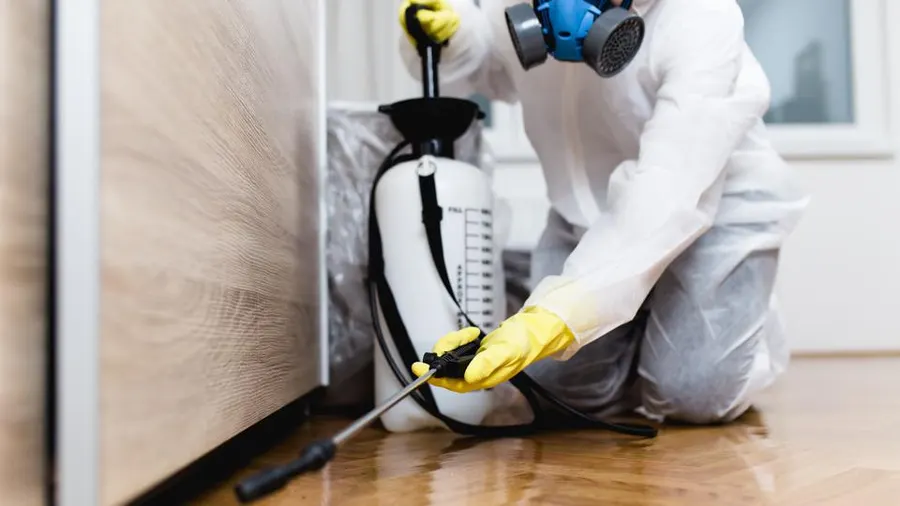
Pest control is an essential aspect of maintaining a healthy and safe living environment. From tiny insects to larger rodents, pests can invade homes and businesses, causing damage and posing significant health risks. Effective pest management not only protects property but also promotes overall well-being by preventing the spread of diseases. Understanding the types of pests and their behaviors is crucial for implementing the right strategies to keep them at bay.
In recent years, advancements in pest control techniques and products have made it easier for both professionals and homeowners to effectively address infestations. Integrated pest management (IPM) approaches, which combine biological, cultural, physical, and chemical strategies, have gained popularity for their environmentally friendly methods. This article explores the various methods of pest control, the importance of prevention, and insights into how to create a pest-free environment while minimizing ecological impact.
Types of Pests and Their Impact
Pests can be categorized into several types, including insects, rodents, and even larger wildlife. Each type presents unique challenges and can impact our lives differently. For instance, while ants and cockroaches may contaminate food supplies and trigger allergies, rodents can gnaw on wires and cause structural damage. Understanding the habits and behaviors of these pests is fundamental in applying preventive measures and choosing appropriate control strategies. By working with professionals who offer pest control services in Newcastle, homeowners can develop tailored plans that address specific pest issues effectively.
Integrated Pest Management Strategies
Adopting an integrated pest management (IPM) approach is crucial for sustainable pest control. This method not only focuses on immediate removal of pests but also emphasizes long-term prevention strategies that are environmentally friendly and effective. By combining different tactics, such as biological control, habitat modification, and the judicious use of chemicals, IPM reduces the reliance on pesticides and minimizes ecological impact. Understanding the life cycles and behaviors of pests enables homeowners and pest control professionals to implement proactive measures, ensuring a pest-free environment while safeguarding the surrounding ecosystem.
In conclusion, effective pest control is vital for preserving our health and safety while safeguarding our properties. By embracing integrated pest management strategies, we not only confront existing infestations but also create resilient environments that deter future pest invasions. Education about pest behaviors and the implementation of sustainable practices can significantly mitigate risks, fostering a harmonious balance between human habitats and the natural world. As we continue to advance in pest management technologies and methods, our commitment to environmentally responsible solutions will ensure we maintain safe living spaces for generations to come.

