

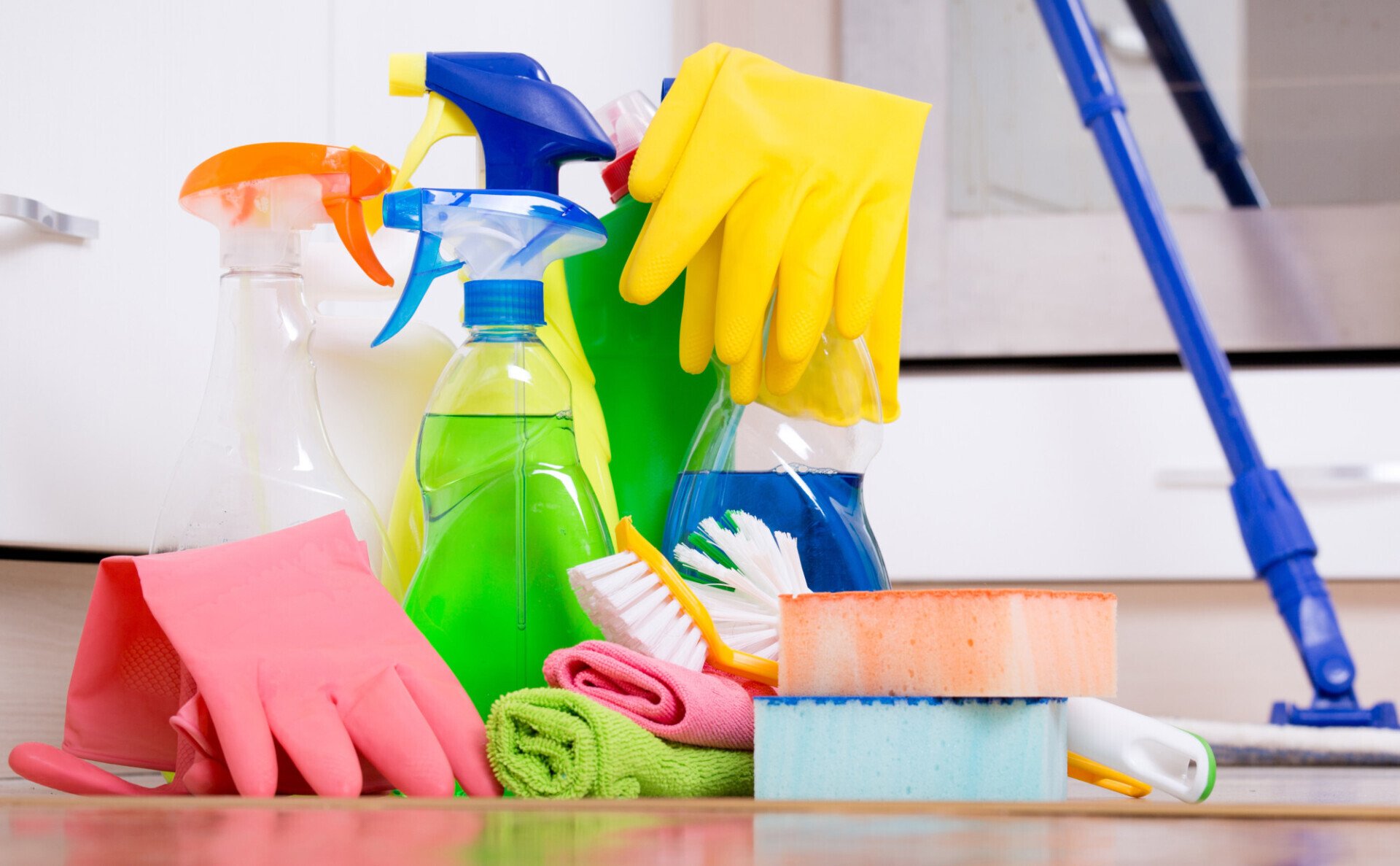
In a world where cleanliness and hygiene have taken center stage, the importance of effective cleaning products cannot be overstated. From households to commercial spaces, the right cleaning agents play a crucial role in maintaining environments that are not only visually appealing but also safe and healthy. With an overwhelming variety of options available on the market, understanding how these products work and their respective benefits is essential for making informed choices that enhance our living and working spaces.
This article delves into the diverse types of cleaning products, ranging from eco-friendly solutions to powerful antimicrobial cleaners, examining their ingredients, effectiveness, and potential impacts on health and the environment. As consumers become more conscious of the substances they bring into their homes, knowledge about safer alternatives and best practices for use is more relevant than ever. Join us as we explore the ever-evolving landscape of cleaning products and their role in fostering a cleaner, safer world.
Types of Cleaning Products
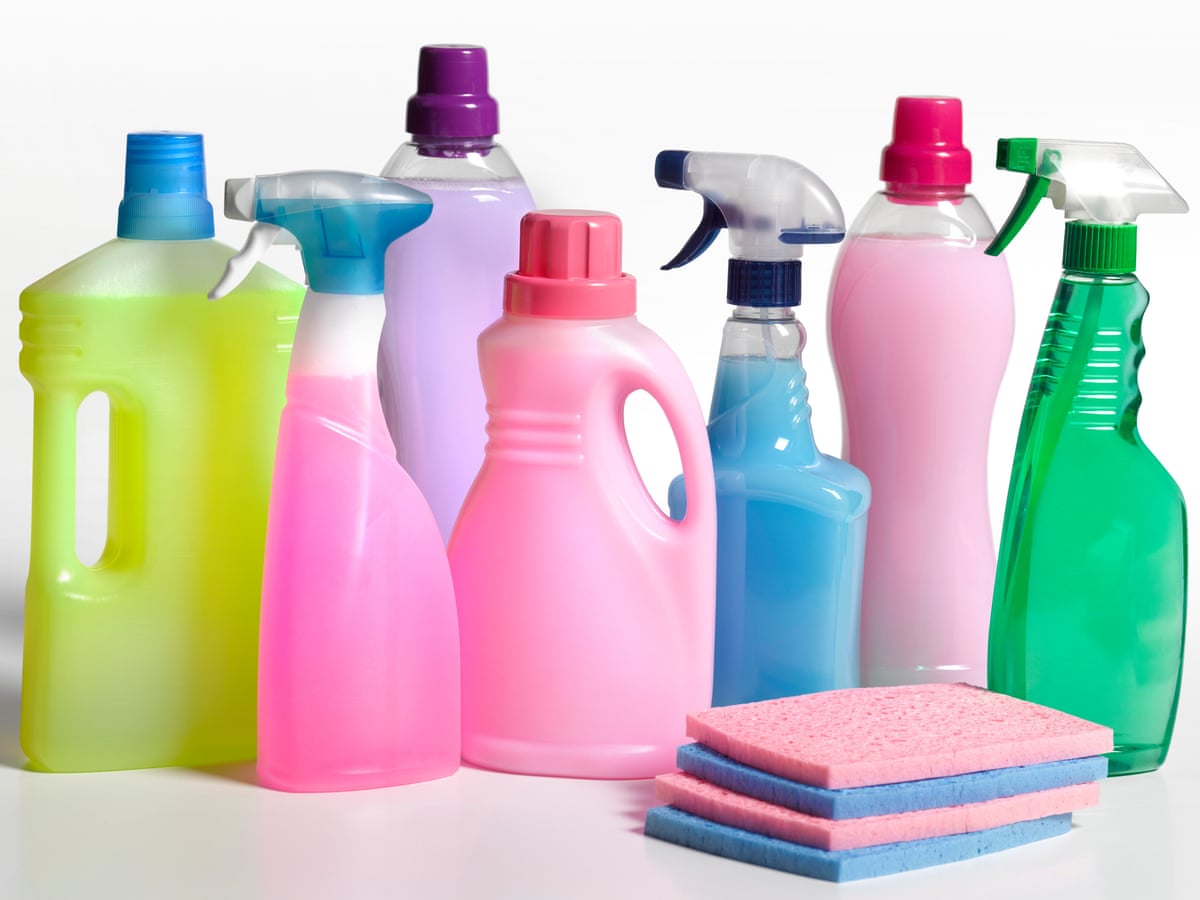
Cleaning products can be categorized into several types, each designed for specific purposes and surfaces. Traditional cleaning agents, often containing harsh chemicals, are effective for heavy-duty tasks such as removing grease and grime. However, there is a growing demand for eco-friendly alternatives that use natural ingredients, such as vinegar and baking soda, to achieve a similar level of cleanliness without adverse environmental effects. For those looking to enhance their cleaning routine, exploring the various formulations available on the market, including specialty products tailored for different materials, can lead to more effective and responsible choices. For more details on the types of available choices, check out Cleaning Products.
Health and Safety Considerations
When selecting cleaning products, it’s crucial to consider their health and safety implications. Many conventional cleaners contain volatile organic compounds (VOCs) and other harmful substances that can pose risks to occupants, particularly in poorly ventilated areas. In contrast, eco-friendly options are typically formulated to minimize these hazards, providing a safer cleaning environment for families and pets. Understanding labeling and ingredient lists empowers consumers to choose products that align with their health standards while effectively maintaining their spaces. Adopting best practices such as using gloves, ensuring proper ventilation, and storing products out of reach of children can further enhance safety during cleaning tasks.
In conclusion, the choice of cleaning products significantly impacts not only the effectiveness of our cleaning efforts but also the health of our households and the environment. By remaining informed about the various types of cleaning agents available, including traditional and environmentally friendly options, consumers can make educated decisions that meet their specific cleaning needs while promoting safety and sustainability. As we strive for cleaner and healthier spaces, it becomes increasingly important to prioritize products that are both effective and safe, thereby contributing to a holistic approach to cleanliness that considers our well-being and the planet’s health. Embracing this knowledge equips us to create cleaner environments that reflect our values and care for those who inhabit them.