

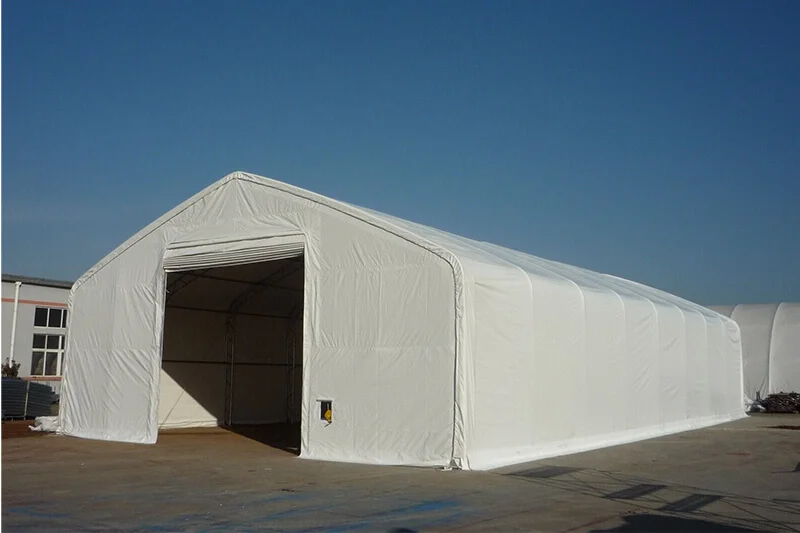
In the ever-evolving landscape of construction and architecture, the concept of manufacturing shelter has gained significant prominence. This innovative approach not only focuses on the efficiency of building processes but also emphasizes sustainability and adaptability. With rapid urbanization and the increasing demand for affordable housing, manufacturers are exploring novel techniques and materials to create shelters that meet diverse needs while minimizing environmental impact.
This article delves into the various aspects of manufacturing shelter, examining cutting-edge technologies, design principles, and construction methodologies that are transforming the way we think about building spaces. By bridging the gap between traditional craftsmanship and modern industrial practices, the manufacturing of shelter stands at the forefront of addressing global housing challenges, ensuring that homes are not just structures but holistic solutions for thriving communities.
Innovative Materials and Techniques
The manufacturing of shelter is increasingly incorporating advanced materials such as cross-laminated timber, 3D-printed concrete, and modular components that enhance both structural integrity and ecological responsibility. These materials are designed to streamline construction processes while providing durability and flexibility. 3D printing, for example, allows for custom designs that can adapt to specific environmental conditions and locality factors, reducing waste and making the construction cycle more efficient. As a result, manufacturers are not only expediting delivery timelines but also contributing to greener building practices that resonate with modern sustainability goals.
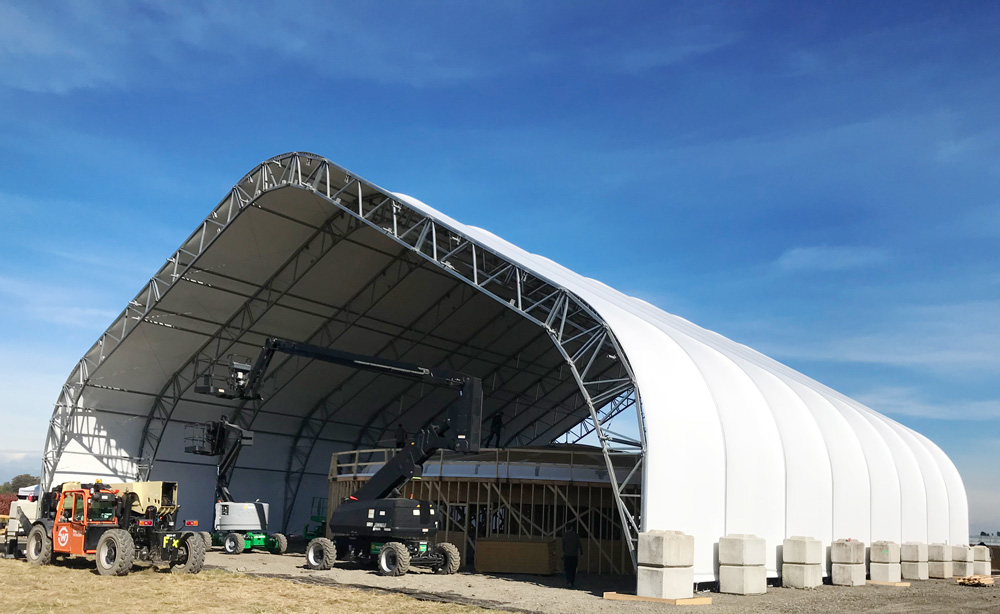
Collaboration and Community Integration
The shift toward manufacturing shelter also emphasizes the importance of collaboration between architects, engineers, and local communities. Engaging with residents ensures that the designed shelters are culturally relevant and meet the unique needs of the inhabitants. Initiatives like Mexico Shelter Services exemplify how community-focused approaches can lead to the development of inclusive housing solutions. By fostering partnerships and utilizing local knowledge, these efforts promote not just the creation of homes but also the building of supportive environments where communities can flourish. This holistic approach recognizes that shelter is not merely a physical structure but a vital component of social cohesion and urban resilience.
As we look to the future of manufacturing shelter, it becomes clear that the intersection of technology, community engagement, and sustainable practices will dictate the evolution of our built environments. The increasing utilization of smart materials and modular designs paves the way for rapid, on-demand housing solutions that can adapt to changing demographics and environmental conditions. Moreover, by prioritizing collaboration with local communities, manufacturers can ensure that these shelters are not only functional but resonate with the cultural and social needs of their inhabitants. This transformative approach to building is redefining not only what shelter means, but how it serves as a cornerstone for resilient communities, fostering environments where people not only live but thrive. Ultimately, the future of shelter manufacturing lies in its potential to create equitable, adaptable, and eco-friendly living spaces that respond meaningfully to the challenges of urbanization and climate change.